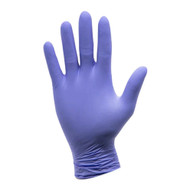
Laboratory gloves are used across a wide range of research environments, but the best choice depends on the work being performed. Considering a few basic factors can make it easier to narrow down your options.
1. Glove material
Nitrile, latex, and other glove materials have different characteristics. Consider the substances being handled, the requirements of the application, and your laboratory's policies when selecting a material.
2. Fit and comfort
Gloves worn for extended periods should provide a secure fit without unnecessarily restricting movement. Proper sizing can improve comfort and dexterity during repetitive laboratory tasks.
3. Dexterity
Tasks involving pipettes, microtubes, small instruments, or other precise handling may benefit from gloves designed to maintain tactile sensitivity and finger movement.
4. Protection requirements
The appropriate glove depends on the hazards associated with the task. Review applicable laboratory safety procedures and chemical compatibility information when protection from specific materials is required.
5. Your laboratory workflow
Finally, consider how gloves are actually used in the lab. Frequency of glove changes, packaging, available sizes, storage, and consumption can all affect which option makes the most sense.
Choose for the application
No single glove is ideal for every laboratory task. Matching glove characteristics to the application helps balance protection, comfort, and usability.